BusinessNZ Energy Council
BEC2060 Energy Scenarios – TIMES-NZ 1.0
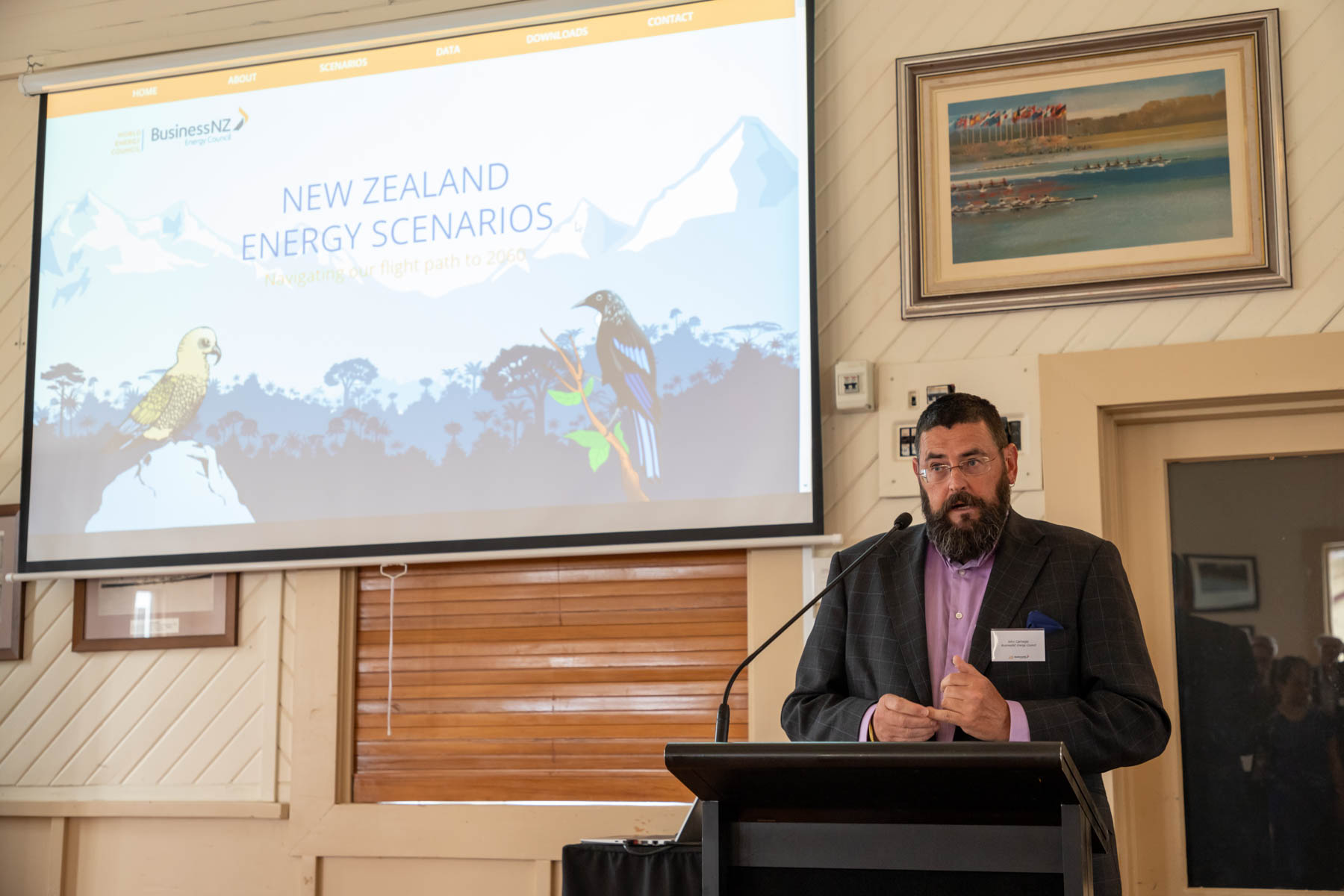
Kea
Kea are collaborative, curious and innovative. Their problem-solving ability is well-known, they will eat anything, and they readily adapt to live and survive in different environments and habitats. Their intelligence and curiosity are crucial to their survival in harsh mountain environments.
Kea represents a future in which climate change is seen as the most pressing issue. A broad economic transformation is pursued by New Zealand society and government, deliberately choosing to be a global leader in the pursuit of a low-emissions society.
Tūī
Tūī are territorial and competitive, resulting in a lively and vibrant forest environment. As mainly nectar feeders, their specialised energy needs limit them to specific habitats and ways of living but provide benefits to others through pollination and seed dispersal.
Tūī represent a future in which global communities, businesses and governments believe that climate change is only one of several competing priorities. Economic growth remains a priority not to be undermined by pursuit of decarbonisation goals so New Zealand follows behind the rest of the world in its pursuit of a low emissions society.
About
Acknowledgments and Model Overview
The BEC2060 project was managed on behalf of the BusinessNZ Energy Council by Dr Stephen Batstone of Sapere Research Group and Whiteboard Energy. The lead author for the Tūī and Kea narratives was Toby Stevenson from Sapere Research Group.
The model construction and operation was undertaken by Dr Tom Kober and Bakytzhan Suleimenov of The Paul Scherrer Institute, with support from Dr Kiti Suomaleinen of the University of Auckland. The underlying model – known as TIMES-NZ – is a customised version of TIMES, developed by the IEA Energy Technology System Analysis Program (IEA-ETSAP) community. It was customised for BEC by the Paul Scherrer Institute.
The interface to the BEC2060 scenario data was built in RStudios Shiny product by Dr Stephen Batstone.
Thanks to Tina Schirr, Dane Ambler, and Debbie Bougen from the BusinessNZ Energy Council without whom this project would not have been possible. Matt Paterson and Reuben Horne from the development team at Mercury IT also made an invaluable contribution.
The data used in this data explorer is from the BEC2060 TIMES-NZ model run 23 July 2019. You can download the data behind the charts here.



















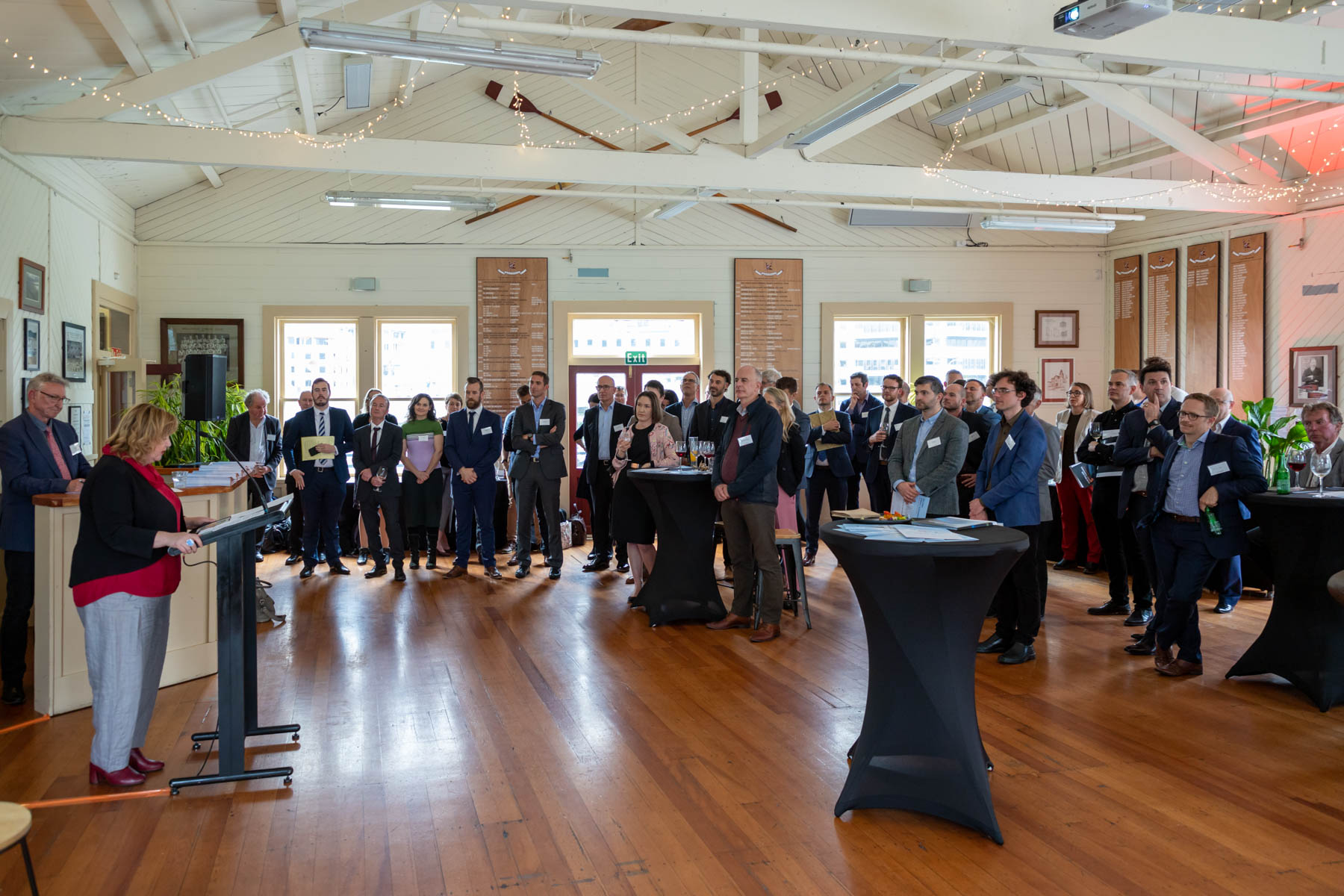



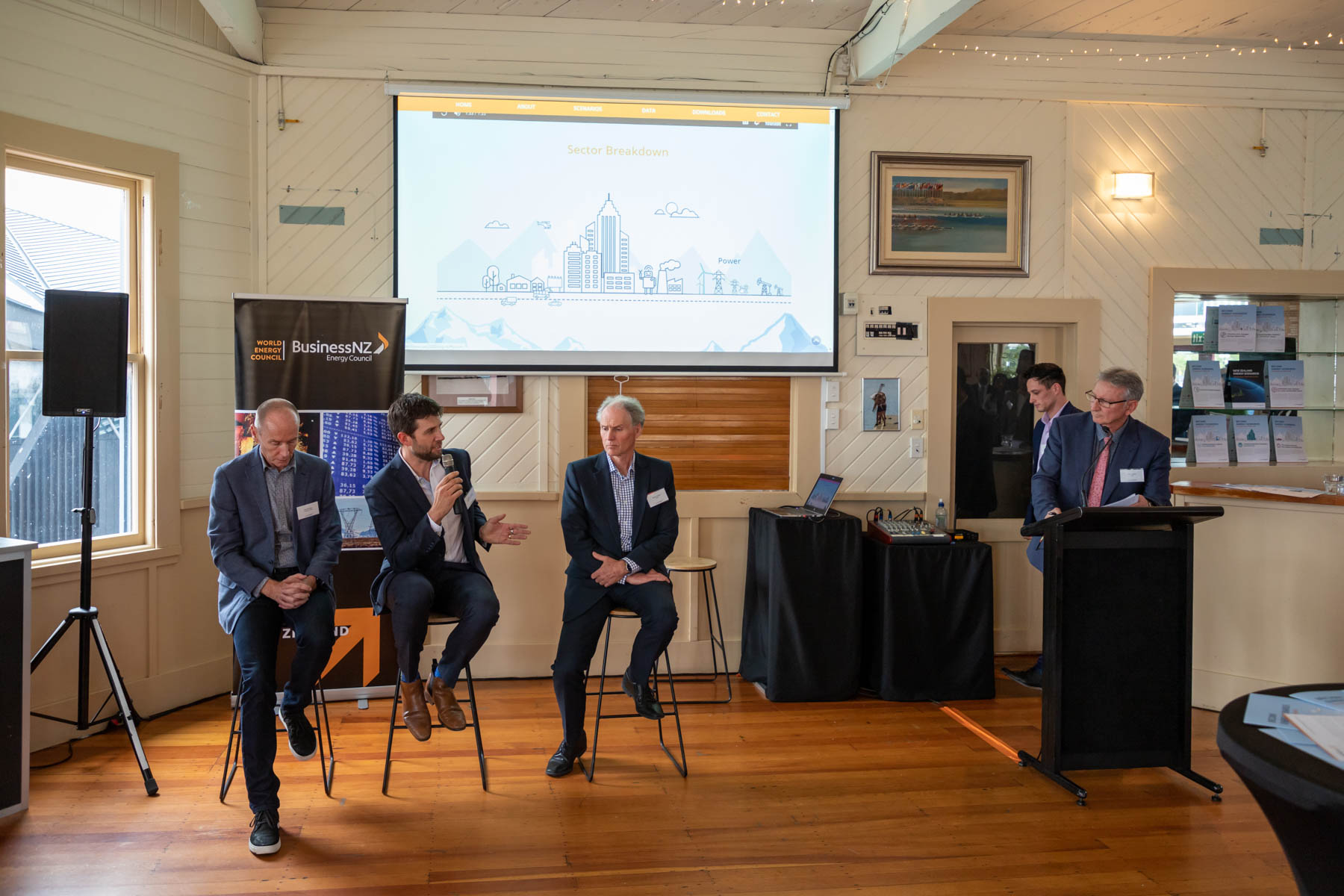
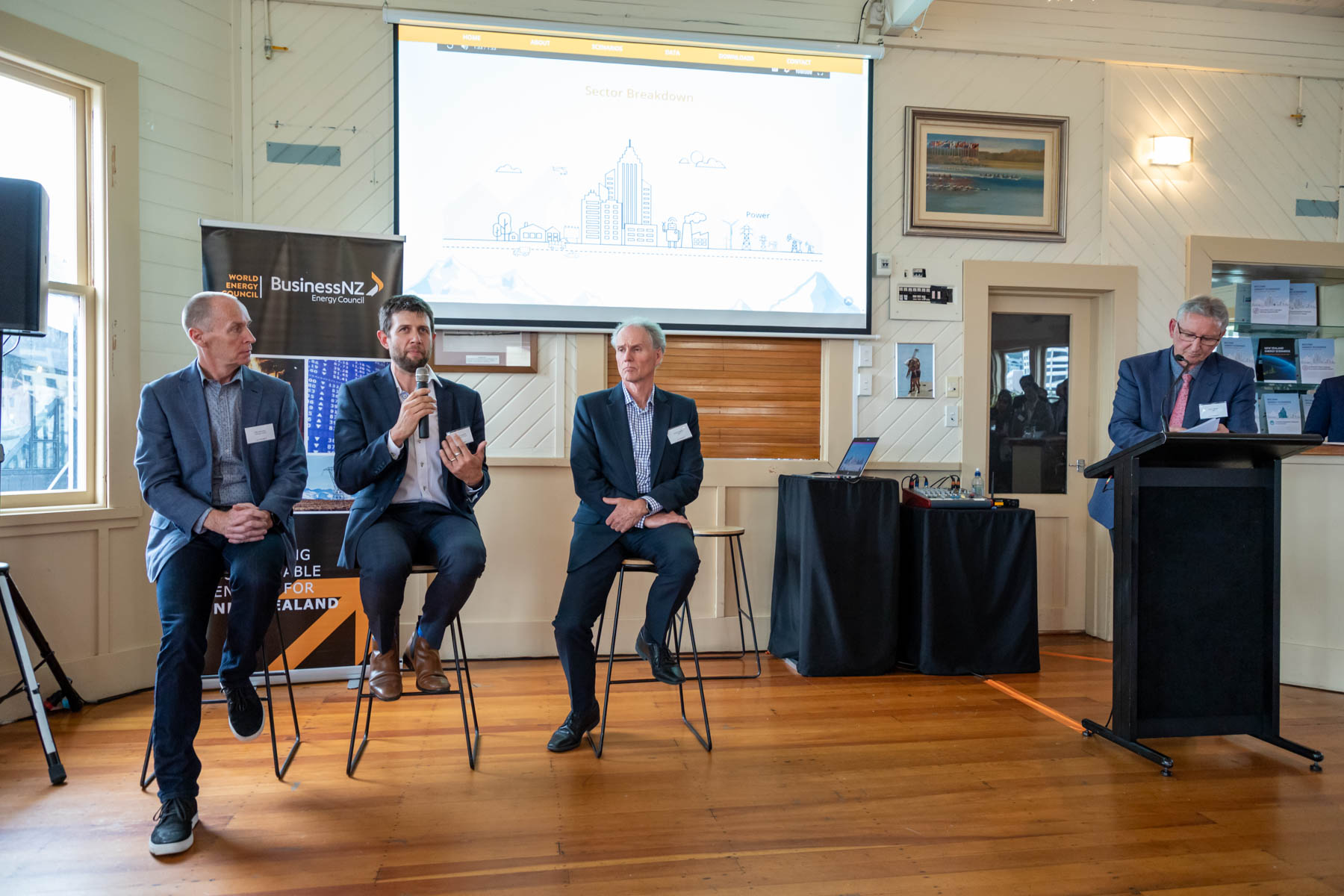
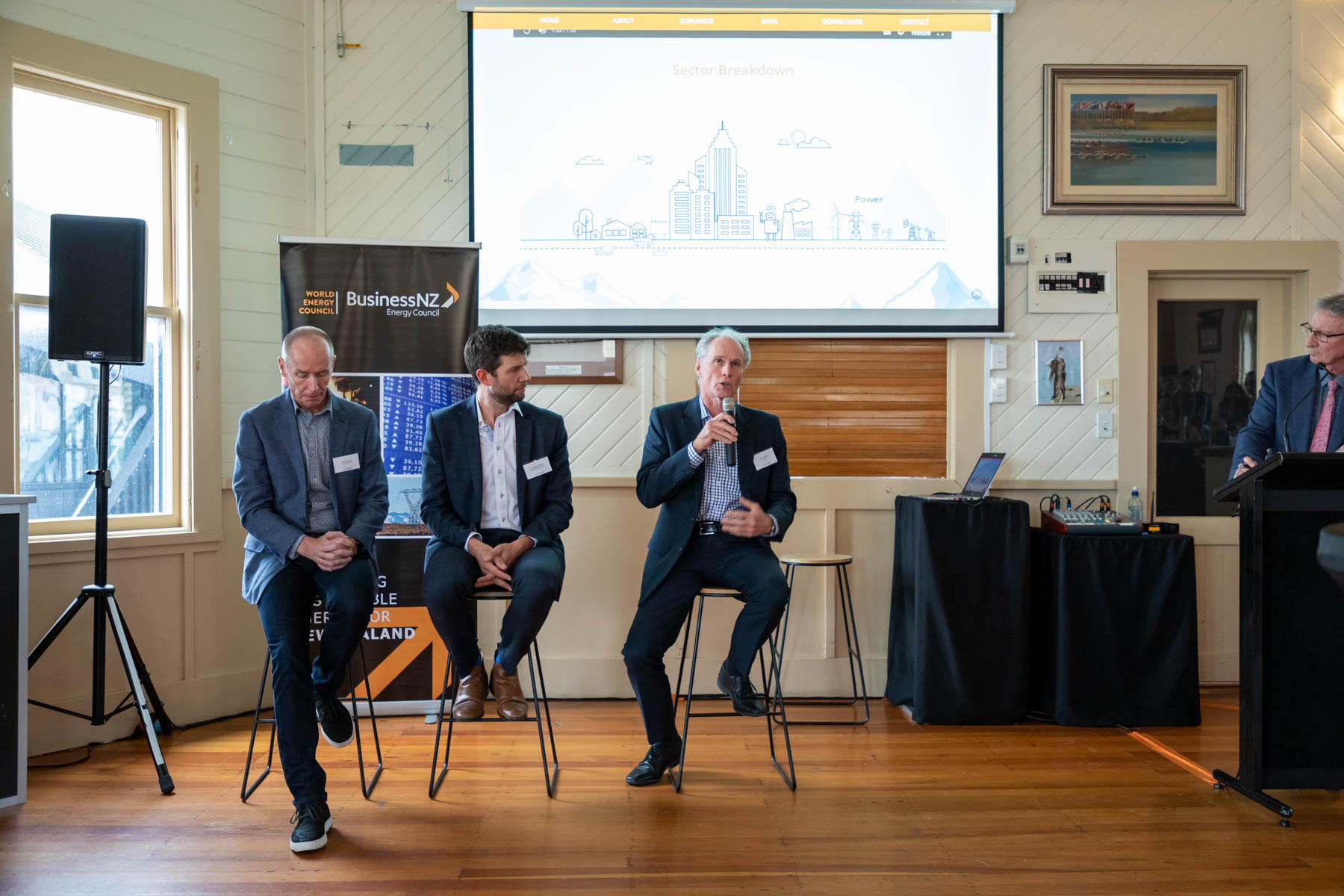
Technology changes driving opportunity
Energy systems are complex and interconnected. Innovative technologies and services enable carbon emission reductions in all sectors and facilitate the current trend towards the democratisation of energy. But what might it take to decarbonise the entire New Zealand economy by 2050? How do we unlock sufficient innovation?
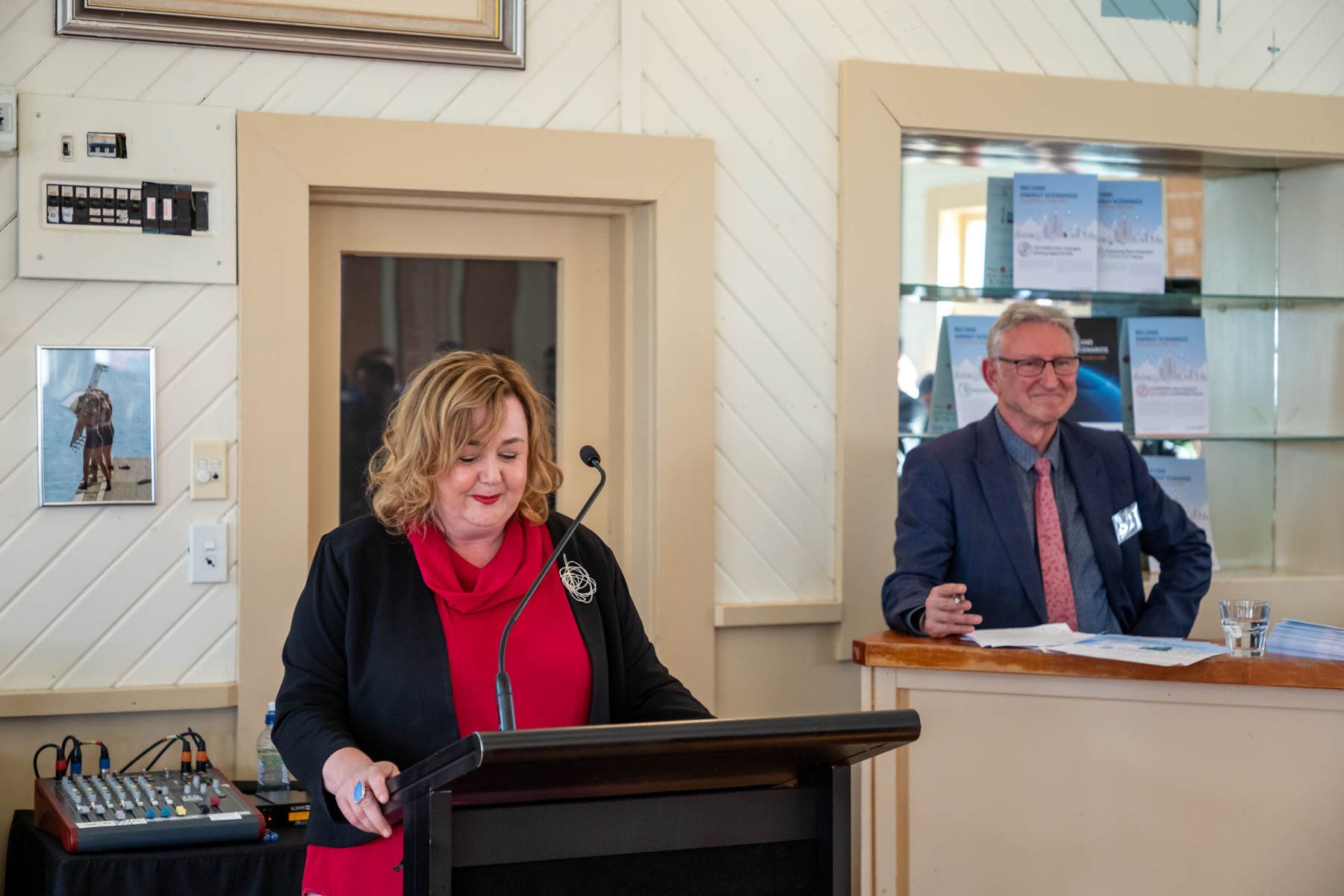
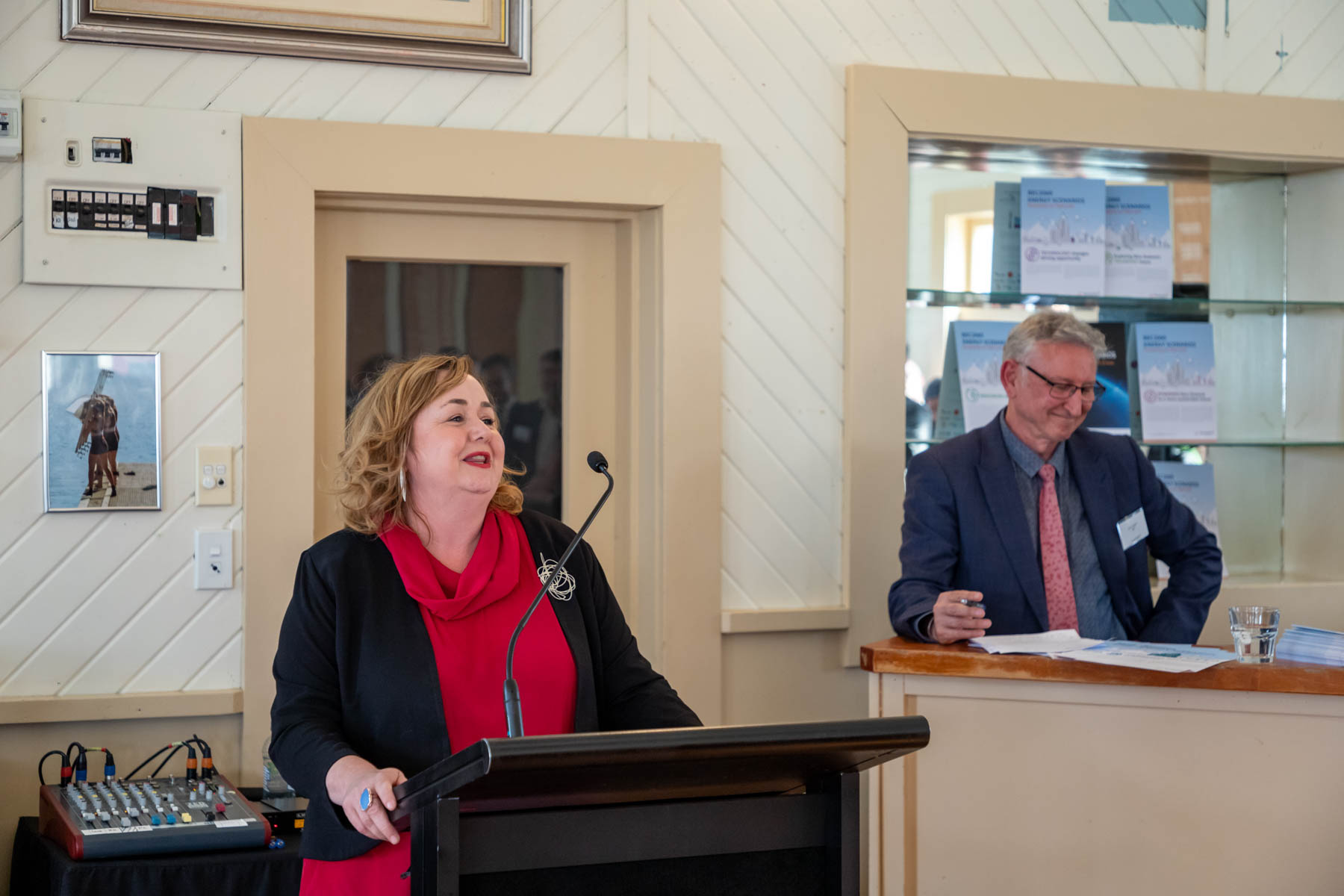
The BusinessNZ Energy Council has partnered with the public and private sectors to develop two plausible and coherent stories about New Zealand’s energy future. Having modelled these stories, the results will help you to better understand the challenges and opportunities faced by New Zealand businesses and consumers as we grapple with important issues such as the role of technology and innovation in the transition to a low carbon economy.
Transforming New Zealand’s Businesses
A significant part of GDP in New Zealand comes from the tertiary service sector, with around 23% of total GDP coming from business, property and financial services. The primary industry contributes about 8% to GDP, with over half of this coming from agriculture comprising 4% of total GDP. The main engines of economic growth – industrial, commercial and primary sectors – account for about 50% of total energy demand, half of which is carbon-based. The Government aims for a net-zero carbon economy by 2050, which raises the crucial question how we, as a country, will plan – through our policies and investments – to meet the target.
The BusinessNZ Energy Council has partnered with the public and private sectors to develop two plausible and coherent stories about New Zealand’s energy future. Having modelled these stories, the results will help you to better understand the challenges and opportunities faced by businesses as they grapple with important issues such as emerging technologies, changing consumer preferences, and the shift from fossil fuels as we seek to decarbonise New Zealand’s economy.
The energy future for New Zealand Households
No consumer has ever before had such choice in participating in the energy market. With the increasing uptake of more sophisticated electricity market tools, batteries, electric vehicles, solar panels and home energy management, the role of the consumer is shifting from passive user to electricity storage provider, energy producer and energy aggregator. What will this mean for New Zealand households and what will be the key opportunities and challenges they face when decarbonising New Zealand?
The BusinessNZ Energy Council has partnered with the public and private sectors to develop two plausible and coherent stories about New Zealand’s energy future. Having modelled these stories, the results will help you to better understand how New Zealand households may be impacted, and the range of choices and trade-offs that might emerge.
Exploring New Zealand’s Transport future
The government aims to transition New Zealand’s economy to net zero carbon by 2050. Today, the energy sector is the second largest carbon emitter with almost 20% of carbon emissions coming from domestic transportation. How the transport sector evolves will be critical to the future of New Zealand energy sector and the quality of our lives.
The Business New Zealand Energy Council has partnered with the public and private sectors to develop two plausible and coherent stories about New Zealand’s energy future. Having modelled these stories, the results will help you to better understand the challenges and opportunities faced by the transport sector as we grapple with important issues such as the end of oil and gas exploration, the uptake of new technologies and changing consumer preferences.
Carbon pricing to reduce Carbon Emissions
New Zealand’s total annual gross greenhouse gas emissions are about 80 million tonnes of carbon dioxide equivalent (MtCO2-e). The agriculture and energy sectors (energy including transport, accounts for ~34 Mt pa greenhouse gas emissions) are the largest contributors to New Zealand’s gross emissions.
As part of the Paris Agreement to limit the global average temperature increase between 1.5° to 2° Celsius above preindustrial levels, the plans are to decarbonise New Zealand’s economy to achieve net zero carbon emissions by 2050. Energy will play a key role in achieving this commitment. Carbon pricing is a key plank in the government’s response to climate change.
The BusinessNZ Energy Council has partnered with the public and private sectors to develop two plausible and coherent stories about New Zealand’s energy future. The model gives us the opportunity to see the effect of different carbon prices. Carbon prices are a key input in this model.
Having modelled these stories, the results will help you to better understand the challenges and opportunities faced by New Zealand businesses and consumers as we grapple with important issues such as carbon pricing as a major driver to influence changing consumer behaviour.
Powering New Zealand to a more sustainable future
The government aims to transition New Zealand’s economy to net zero carbon by 2050. Today’s energy sector (incl. transport) accounts for over 40% of New Zealand’s greenhouse gases, mainly in the form of CO₂. 85% of New Zealand’s electricity is supplied from renewable energy sources, the 3rd highest renewable electricity share in the OECD countries. This positions us well for a low emissions future. A vibrant electricity market is opening opportunities for consumers across the electricity sector. But what role might electricity play in New Zealand’s energy outlook?
The BusinessNZ Energy Council has partnered with the public and private sectors to develop two plausible and coherent stories about New Zealand’s energy future. A scenario approach has been used to explore the dynamics of the sector, and the country, to meet the decarbonisation goal. The results will help you to better understand the challenges and opportunities faced by the energy sector as they grapple with important issues such as emerging technologies, the role of electrification in enabling decarbonisation, changing consumer preferences, and the shift from fossil fuels as we transition our economy.
Resourcing New Zealand
New Zealand has an abundance of natural resources and we depend upon access to affordable, reliable and sustainable energy to maintain our prosperity. While dependent on it, we increasingly live in a world where energy systems are changing fast and being shaped by many factors and diverse actors. New Zealand is ranked in the world’s top five developed countries for electricity produced from high levels of renewable sources. About 40% of New Zealand’s total primary energy supply comes from renewable energy sources. However, heat and transport fuels remain largely fossil fuel-based resulting in 60% of primary energy supply coming from hydrocarbon fuels. The Government aims for a net-zero carbon economy by 2050. What might be the role of hydrocarbon-based fuel tomorrow?
The BusinessNZ Energy Council has partnered with the public and private sectors to develop two plausible and coherent stories about New Zealand’s energy future. Having modelled these stories, the results will help you to better understand the challenges and opportunities faced by the energy sector as we grapple with important issues such as emerging technologies, changing consumer preferences, and the shift from fossil fuels as we seek to decarbonise New Zealand’s economy.